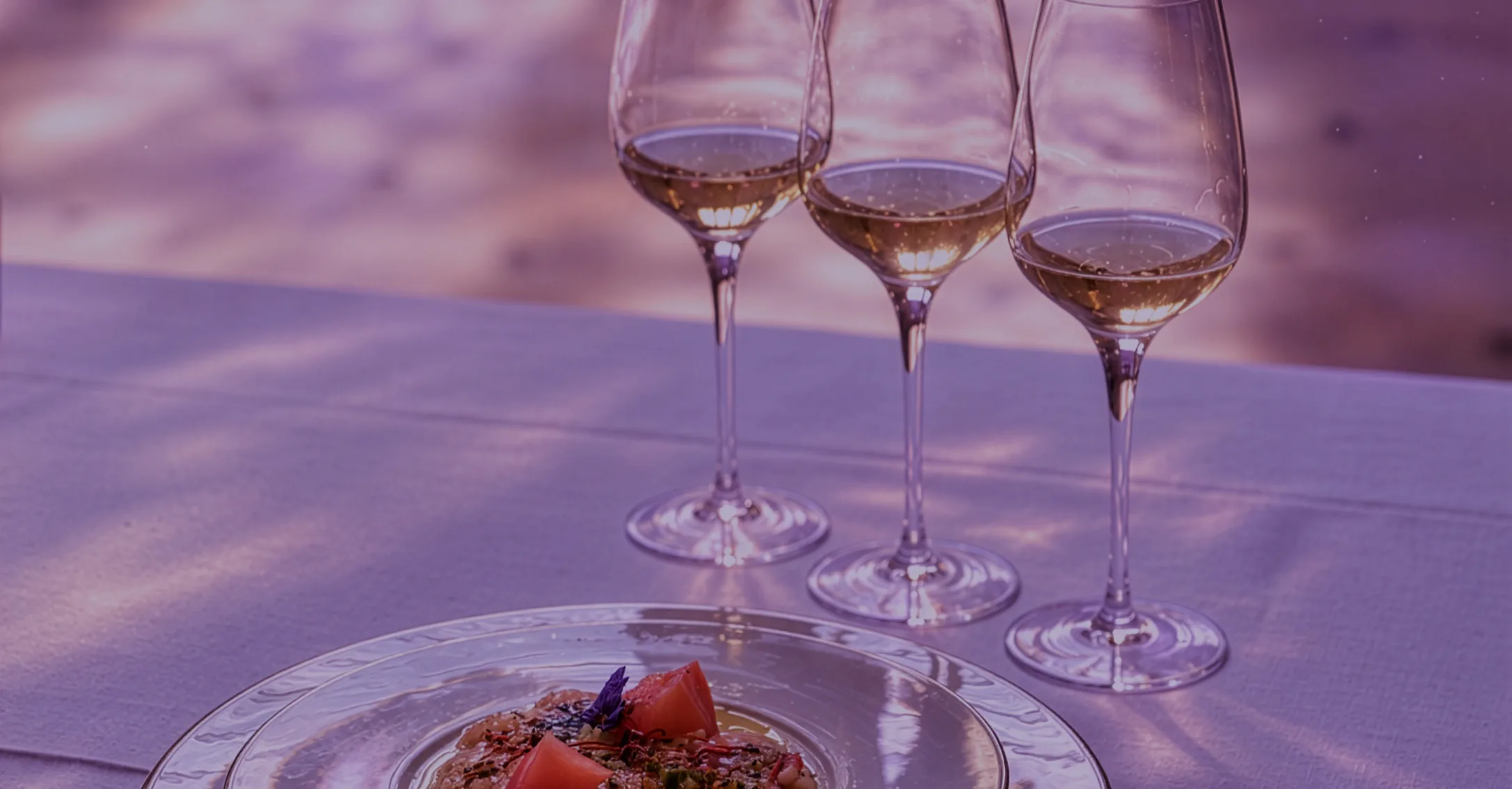
Long reserved for aperitifs and grand celebrations, champagne is revealing another side of its personality: that of a true gastronomic wine. From starter to dessert, its diversity, freshness and complexity open up a world of culinary possibilities. What if the most surprising pairing of all was simply to give champagne its rightful place at the table?
Champagne: So Much More Than an Aperitif
It accompanies celebrations, marks special occasions and often sets the tone for exceptional meals. Yet limiting champagne to the aperitif means discovering only a fraction of its potential.
For behind the effervescence lies, first and foremost, a wine shaped by its terroir, grape varieties, vinification and ageing.
Blanc de Blancs, Blanc de Noirs, rosé, brut or vintage: each style has its own personality, aromatic nuances and structure. This diversity allows champagne to complement a far wider range of culinary creations than one might imagine.
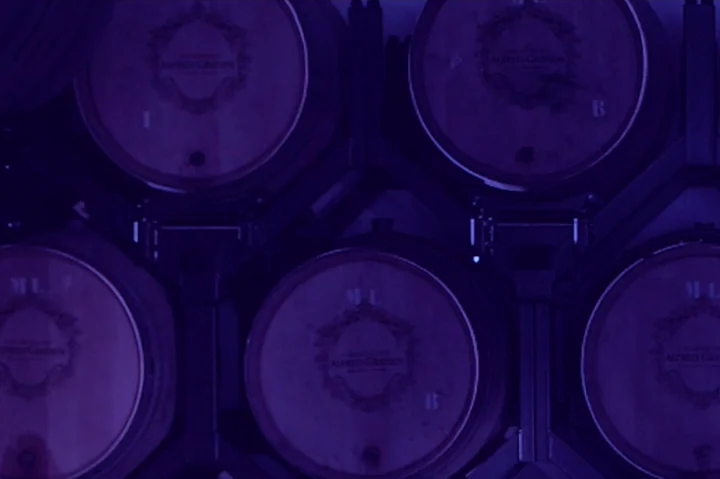
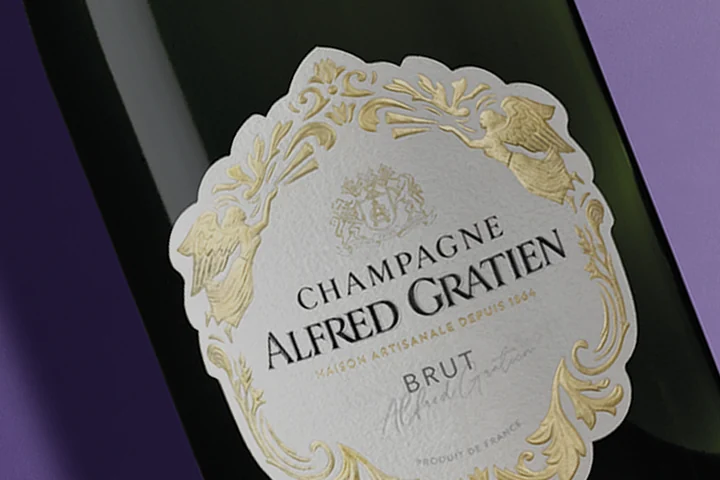
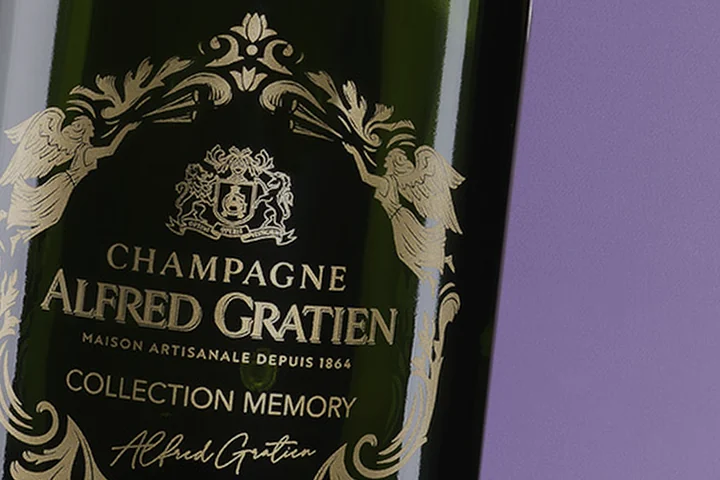
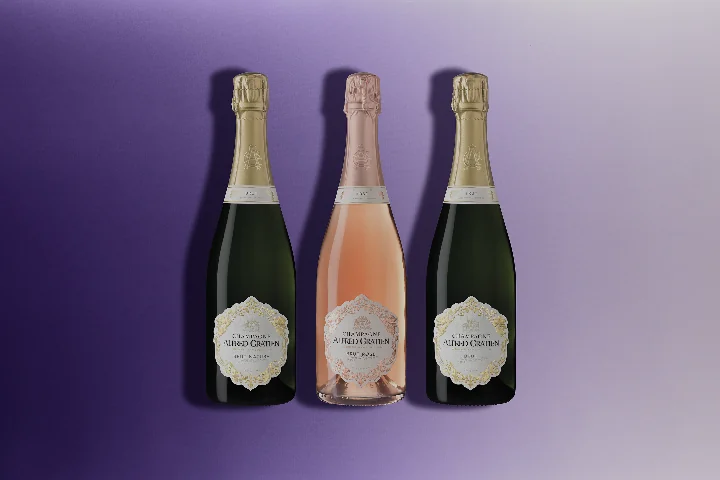
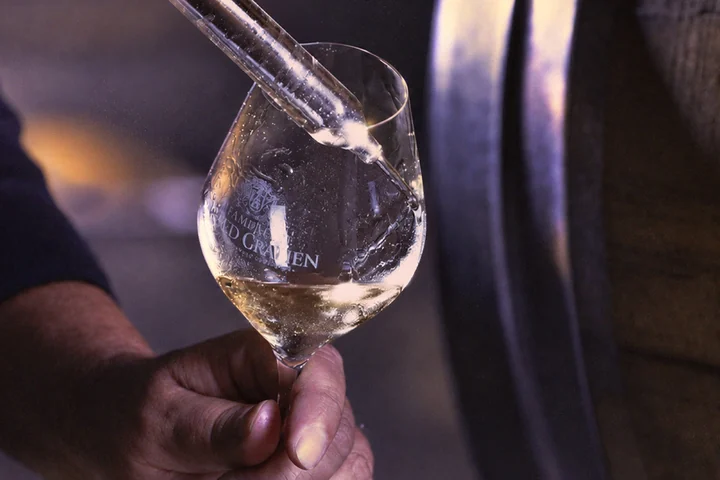
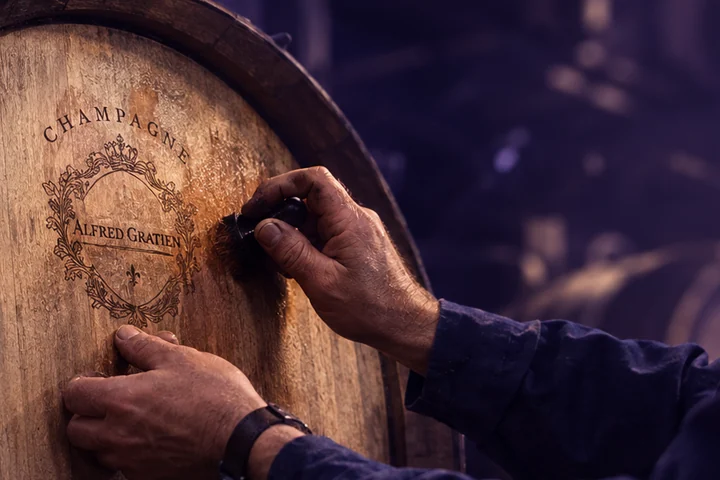
This gastronomic dimension finds a particularly distinctive expression at Alfred Gratien. Since 1864, the House has cultivated a singular approach, based on vinification in small oak barrels, the absence of malolactic fermentation and extended ageing.
These choices help shape champagnes of character, where freshness meets depth and complexity.
An invitation to see champagne not merely as the prelude to a meal, but as a wine capable of accompanying every course.
The Art of Pairing: A Question of Balance
Creating a successful pairing between food and champagne is about more than simply bringing together two exceptional products.
It is all about balance.
The wine’s freshness can complement the richness of a dish. Its texture can echo that of the food, while its structure can stand up to more pronounced flavours.
Effervescence brings a sense of lightness and vibrancy, particularly appealing when paired with rich or creamy textures.
Yet beyond the traditional principles, the most memorable pairings often emerge from a pursuit of harmony or, conversely, a carefully balanced contrast.
A delicate champagne will enhance the subtlety of an ingredient without overpowering it. A more structured cuvée can accompany bold cuisine, where flavours unfold with greater intensity.
The perfect pairing is neither one in which the wine dominates the dish nor one in which the food overshadows the wine. It is one in which each reveals a new dimension of the other.
From Starter to Main Course: Exploring New Horizons
Seafood offers a particularly rewarding opportunity to explore champagne pairings.
The freshness and precision of a Blanc de Blancs naturally complement the delicacy of fish, the finesse of a scallop carpaccio or the subtle flavours of certain shellfish.
At Alfred Gratien, the Blanc de Blancs Vintage 2018 offers a particularly compelling expression of this encounter between elegance and gastronomy.
But champagne pairings extend far beyond seafood.
More structured cuvées open up new possibilities, particularly with poultry, mushrooms and dishes featuring richer textures.
A vintage Blanc de Noirs, for example, can find its place alongside roast poultry, a mushroom risotto or dishes with deeper, more pronounced flavours.
Alfred Gratien’s Blanc de Noirs 2016 illustrates this different expression of champagne, capable of complementing cuisine in which texture and aromatic richness take centre stage.
These combinations encourage us to move beyond familiar pairings and embrace champagne as a true companion throughout the meal.
Rosé Champagne: Beyond Expectations
Often associated with desserts or summer occasions, rosé champagne also has a genuine place in gastronomy.
Depending on its style, structure and aromatic expression, it can accompany dishes as varied as delicately spiced fish, poultry with red berries or certain cuts of meat served pink.
Its appeal lies particularly in its ability to combine freshness and character, bringing an additional dimension to food pairings.
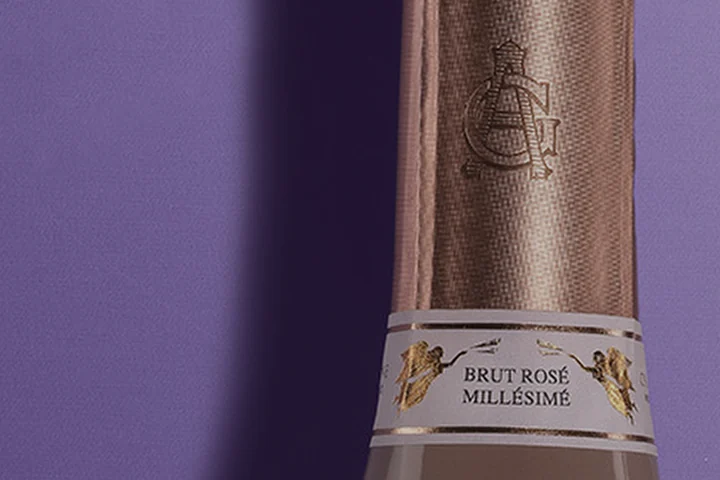
At Alfred Gratien, rosé champagnes fully embody this pursuit of complexity and balance.
Far from being confined to fruity or indulgent expressions, they invite more adventurous combinations, where the finesse of the wine meets the intensity of the flavours.
A different way to rediscover rosé champagne, not as an alternative to white champagne, but as a gastronomic expression in its own right.
And What About Dessert?
While champagne can accompany a meal from starter to main course, dessert deserves particular consideration.
Contrary to popular belief, not all champagnes pair naturally with sweet dishes.
A very sweet dessert can accentuate the perception of acidity and dryness in a brut champagne, creating an imbalance on the palate.
To extend the experience, it is better to favour combinations built around freshness, texture and aromatic intensity.
Less sweet desserts, certain fruit-based creations or delicate pastries can offer interesting possibilities, provided the right cuvée is selected.
The key is to seek harmony rather than systematically pairing champagne with dessert.
A Different Way to Experience Gastronomy
Serving champagne throughout a meal ultimately means looking at this exceptional wine from a different perspective.
It means taking the time to discover the personality of each cuvée, appreciate its nuances and explore the connections it can create with cuisine.
An approach that naturally reflects the philosophy of Alfred Gratien, where every champagne has its own identity, shaped by deliberate choices and an unwavering commitment to excellence.
From signature cuvées to the rarest vintages, the House cultivates a diversity of expressions that invites us to explore new pairings and rediscover champagne as a truly gastronomic wine.
For the most memorable encounters at the table are sometimes the ones we least expect.